Fruit Shopping
How to Choose a Ripe Avocado for Today or Later
Choose a ripe avocado by matching even firmness to the day you will use it.
Good fruit shopping is mostly careful observation, not secret produce-bin wizardry. These guides explain useful cues while leaving room for variety and season.
Choose a ripe avocado by matching even firmness to the day you will use it.
Choose ripe fruit by combining several clues rather than trusting one shortcut. Reject leaking, moldy, deeply bruised, or badly damaged pieces first.
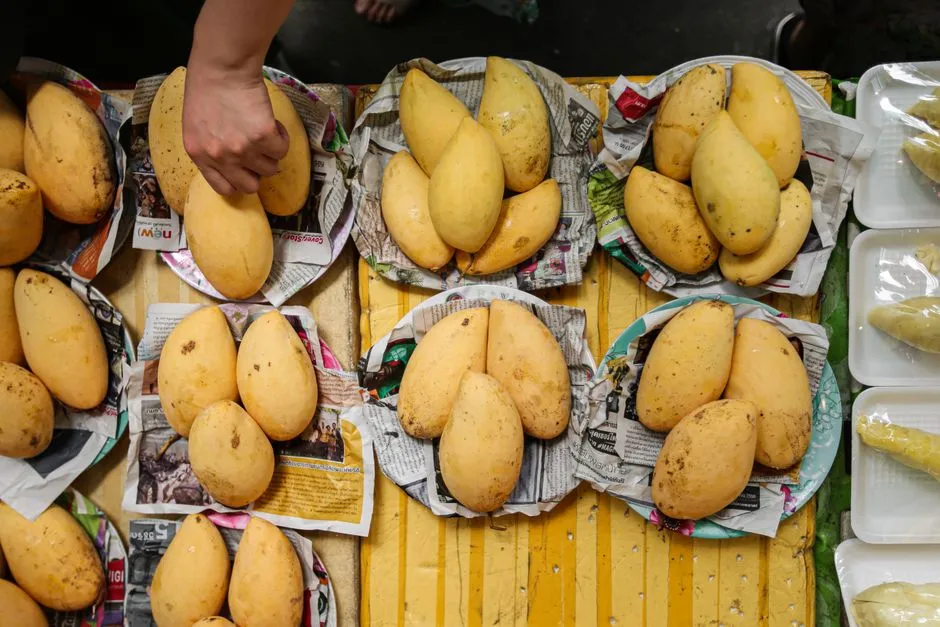
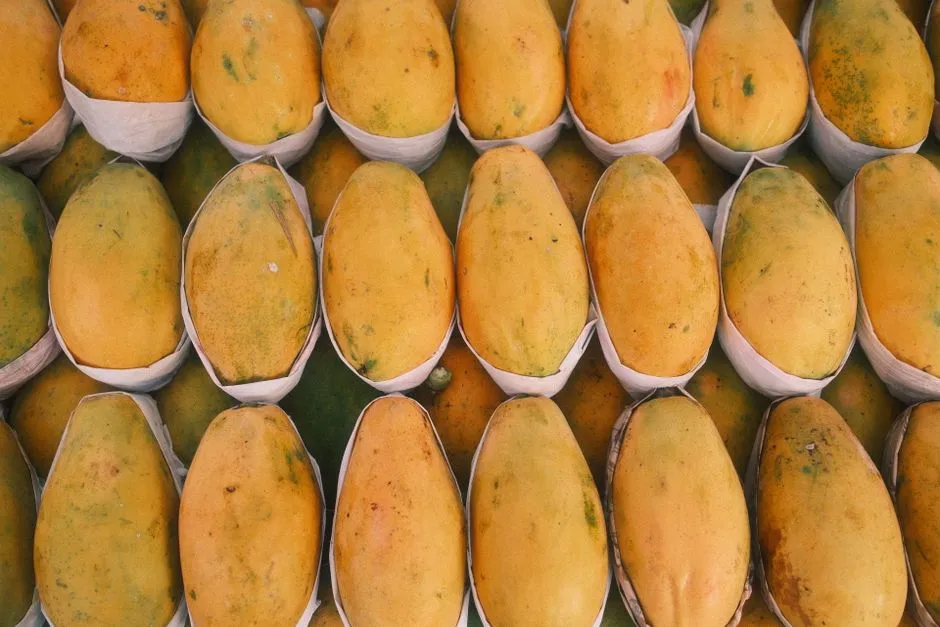
To choose a ripe mango, first decide when you will eat it. A mango for today should yield slightly under very gentle pressure and may smell sweet and…
Choose peaches free of bruises, breaks, leaks and decay. Look past the red blush to the background color: cream or gold is more useful than green.
Choose a pineapple that is free of cracks, leaks, decay and soft patches, then compare sound fruit of similar size.
Choose a watermelon without cracks, bruises, leaks or soft patches, then compare sound melons of similar size.
Ripen a sound, mature avocado at room temperature and check it daily with one broad, gentle palm test.
Ripen bananas for different days by sorting them into use-soon, use-next, and use-later groups based on current color, firmness, aroma, and condition.
Ripen only physiologically mature fruit that can continue after harvest, such as bananas, avocados, kiwifruit, peaches, pears, plums and tomatoes.
Ripen sound, firm full-size kiwifruit at room temperature and check it daily with one broad, gentle pressure test.
Ripen firm European pears at room temperature and check the narrow neck beside the stem every day.