How to Choose Ripe Fruit Without One Magic Test
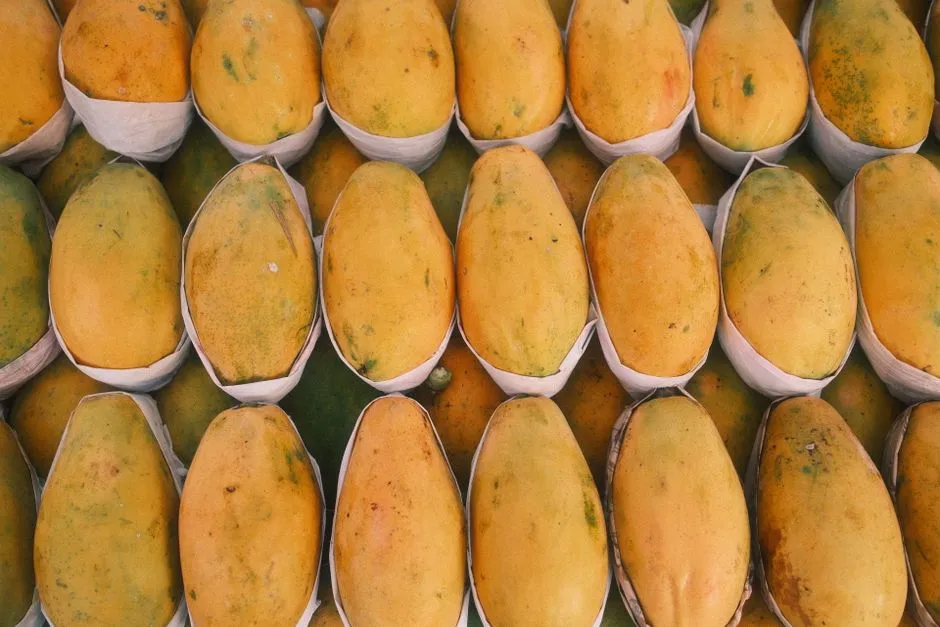
- How do you choose ripe fruit without one magic test?
- What should you decide before touching the fruit?
- What is the first condition check?
- Does color tell you whether fruit is ripe?
- What does aroma reveal?
- What does weight for size mean?
- How gently should you test firmness?
- What can the stem and blossom ends tell you?
- Which fruit can continue ripening after harvest?
- Which cues matter for common fruit?
- How do you shop for fruit over several days?
- Should fruit be washed before you judge or store it?
- What should you do when the cues disagree?
- What is the final ten-second check?
- Sources
How do you choose ripe fruit without one magic test?
Choose ripe fruit by combining several clues: sound condition, maturity, fruit-specific color, aroma, weight for size, stem or blossom-end condition, and gentle pressure where appropriate. Start with the day you plan to eat it. Some fruit can soften and develop further after harvest; others will not become sweeter on your counter. Reject leaking, moldy, deeply bruised, or badly damaged pieces, then use the cues that belong to that particular fruit rather than one rule for the whole produce aisle.
The useful question is not simply “Is it ripe?” It is “Is it in the right condition for the way and day I plan to use it?”
What should you decide before touching the fruit?
Choose the use day. Fruit for breakfast this morning needs a different texture from fruit meant for lunch three days from now. A peach for eating out of hand may need to yield gently; one for carrying home on a bicycle needs enough firmness to arrive intact.
Then decide the use. A neat citrus garnish, a blended smoothie, a lunchbox apple, and a melon for a platter ask for different levels of softness and surface perfection. Cosmetic variation can be harmless, but broken skin, active decay, leakage, and deep bruising affect what is usable.
Finally, identify the fruit and, if possible, the variety. Color and texture cues do not transfer neatly between varieties. A green background can signal immaturity in one fruit and be normal at eating quality in another. The name on the produce label is more useful than a universal color chart.
What is the first condition check?
Look before you press. Turn the fruit in good light and inspect the whole surface, including the stem and blossom ends.
Set aside fruit with:
- Visible mold or fuzzy growth.
- Liquid leaking through the skin or package.
- Split or punctured skin that exposes the flesh.
- Large sunken areas, deep bruises, or collapsing tissue.
- Fermented, musty, or otherwise abnormal odor.
- Packaging with pooled juice from damaged fruit.
The US Food and Drug Administration advises choosing produce that is not bruised or damaged and keeping pre-cut produce refrigerated or surrounded by ice. A small dry scar or superficial rub is not automatically decay, but damage that reaches wet flesh is a different condition.
Do not open sealed packages or remove stems to investigate. If a package hides too much of the fruit, choose one that can be inspected properly.
Does color tell you whether fruit is ripe?
Color can be useful when it is a known cue for that fruit and variety. It is rarely sufficient on its own.
Check the background color rather than only the brightest blush. Red coloring on a peach or apple may reflect variety and sun exposure, not eating readiness. A mango may be green, yellow, red, or a mixture at a usable stage depending on the cultivar. Pineapple shell color also varies. Watermelon sweetness will not announce itself through one paint-chip comparison.
Use color to ask a narrower question: does this piece look typical for its named variety, and is the color change even rather than associated with damage? Combine the answer with firmness, aroma, weight, and condition.
What does aroma reveal?
Smell the fruit near its natural aroma point, commonly the stem end, without putting your face against it. A characteristic fresh aroma can support other ripeness cues in aromatic fruit such as peaches, pears, mangoes, and some melons.
No aroma does not prove that every fruit is unripe. Refrigeration, variety, packaging, and the fruit’s natural character all affect what you can smell. Apples, grapes, and berries are not selected by the same perfume test as a ripe peach.
A sour, alcoholic, musty, or decaying smell is a condition warning, especially when paired with leakage or soft collapse. Do not use a strong sweet smell as permission to ignore visible damage.
What does weight for size mean?
Compare two pieces of the same kind and roughly the same size. The one that feels heavier may contain more juice or denser flesh, but weight cannot tell you sweetness, flavor, or internal quality with certainty.
Keep the comparison narrow. A large fruit should weigh more than a small one. Different varieties can have different shapes, rind thicknesses, seed cavities, and densities. Comparing one orange with another similar orange is more useful than comparing a grapefruit with a lemon and declaring a winner.
Use relative weight as supporting evidence for citrus, melons, pineapples, and other juicy fruit. Pair it with an intact surface, appropriate firmness, and fruit-specific signs.
How gently should you test firmness?
Use the pad of a finger or the palm, not a thumb tip, and apply only enough pressure to sense resistance. Press once in a place where the fruit-specific guidance calls for it. Do not squeeze several spots or test every piece in the display.
Firmness has three broad meanings:
- Very hard: may be immature, may be ready for storage, or may simply be the normal texture of that fruit.
- A slight, even yield: can indicate eating readiness in fruits that soften, such as avocado, peach, pear, kiwi, and mango.
- A soft pocket or collapse: often indicates bruising, internal breakdown, or decay rather than ideal ripeness.
The location matters. Pears are commonly checked near the neck rather than crushed through the middle. Avocados should be assessed with gentle, broad pressure, not by removing the stem cap. Berries and grapes should not be squeezed at all; inspect their surface and package instead.
If pressing leaves a dent, the test was too hard. That bruise belongs to the next shopper if you put it back.
What can the stem and blossom ends tell you?
The attachment points can reveal freshness and damage that the broad surface hides. Look for an intact, dry, fruit-appropriate stem area rather than a wet cavity, mold, or torn flesh.
On grapes, fresh-looking attached stems support the condition check, while widespread loose, shriveled, or leaking berries are warnings. On cherries, stems can lose freshness before the flesh collapses, though stem color alone is not a complete ripeness test. On melons, the blossom end and rind condition can add evidence, but one soft spot should not be elevated into a universal rule.
Do not pull leaves, twist stems, or remove caps as a store test. The famous pineapple-leaf pull is especially weak as a single decision rule: leaf retention can change for reasons other than the fruit’s eating quality. Use condition, relative weight, aroma, firmness, and cultivar-aware color together.
Which fruit can continue ripening after harvest?
Some fruits are climacteric: after harvest, they can continue changes associated with ripening, including softening and aroma development. Common household examples include bananas, pears, peaches, avocados, kiwifruit, and mangoes.
Other fruits are generally classed as non-climacteric. Citrus, grapes, berries, cherries, pineapple, and watermelon should be bought close to the eating quality you want. They may soften, dry, or deteriorate at home, but deterioration should not be mistaken for additional sweetness.
The categories are useful but not perfect. A peer-reviewed overview in the Journal of Food Science and Technology notes that cultivar or genotype can alter the pattern in some fruits. Specific guidance for the named fruit and variety takes priority over the broad group.
This distinction is a planning guide, not a rescue promise. A climacteric fruit still needs to have reached adequate maturity before harvest. A damaged or immature piece may fail to soften normally or may decay first. Buy sound fruit and monitor it rather than assuming the counter will repair it.
Which cues matter for common fruit?
Use this table as a route to the right test, not as a substitute for variety-specific guidance.
| Fruit | Useful combined cues | Cue to treat cautiously | Use-day plan |
|---|---|---|---|
| Mango | Sound skin, variety-aware color, aroma, gentle even yield | Red blush alone | Firmer for later; slight yield for soon |
| Avocado | Sound skin, broad gentle firmness check | Removing the stem cap | Firm for later; slight yield for today |
| Peach or nectarine | Background color, aroma, sound skin, gentle yield | Red blush alone | Firm-mature for later; aromatic and yielding for soon |
| Pear | Variety-aware color, aroma, gentle neck check | Pressing the middle repeatedly | Firm for later; neck yield for soon |
| Pineapple | Sound base, relative weight, aroma, firm shell | One loose leaf or shell color alone | Buy near intended eating quality |
| Watermelon | Sound rind, relative weight, creamy ground spot, overall condition | The knock sound alone | Buy near intended sweetness |
| Citrus | Heavy for comparable size, sound peel, no soft collapse | Perfect peel color alone | Buy ready to use |
| Grapes | Plump attached berries, dry package, sound stems | Squeezing berries | Buy ready to use |
| Berries | Dry, intact berries, no mold or pooled juice | Aroma through a closed pack | Buy ready to use |
| Kiwi | Sound skin and gentle even yield | One color rule across types | Firm for later; slight yield for soon |
For mangoes, the site’s published ripe mango guide gives a more specific sequence without turning the display into a pressure test.
How do you shop for fruit over several days?
Choose a small range of conditions rather than a bag of identical softness. Buy ready fruit for the next meal, firmer suitable fruit for later in the week, and only as much delicate fruit as you can inspect and use promptly.
Keep pieces separate in the cart from heavy tins, bottles, and hard-edged packages. A correct ripeness choice can become a bruised one before checkout. Keep pre-cut fruit cold during shopping and take it home without an unnecessary warm detour.
At home, inspect again before storage. Separate damaged fruit so it does not leak onto sound pieces. Move fruit that still needs appropriate counter ripening to a clean, ventilated place; refrigerate fruit according to its type and current stage. Never use a sealed bag as a general ripening rule without checking for moisture and decay.
Should fruit be washed before you judge or store it?
Do not wash fruit in the shop. At home, the correct timing depends on the fruit and storage plan. Extra surface moisture can accelerate deterioration in delicate berries, while fruit should still be washed before cutting or eating as appropriate.
The FDA advises rinsing produce under plain running water before preparing or eating it and says there is no need to use soap or produce wash. Wash hands, use clean tools and surfaces, and scrub firm produce with a clean produce brush where appropriate. Dry with a clean cloth or paper towel.
Wash even fruit whose peel will be discarded before cutting, because a knife can carry material from the surface into the flesh. Keep cut fruit refrigerated and discard it when safe holding conditions are uncertain. Ripeness never overrides food-safety condition.
What should you do when the cues disagree?
Do not average contradictory evidence into confidence. A fragrant peach with a leaking bruise is damaged. A colorful mango that is rock-hard and scentless may need more time or may have been harvested too immature. A heavy melon with a cracked, wet rind is not a good buy.
Prioritize the sequence:
- Food-safety and physical condition.
- Fruit identity and variety.
- Intended use day.
- Maturity and fruit-specific color.
- Aroma, relative weight, and appropriate firmness.
When the condition check fails, stop. When only the ripeness clues conflict, choose a different piece with a clearer set of cues. The produce section usually provides enough fruit for uncertainty to be optional.
What is the final ten-second check?
Name the fruit and intended use day. Turn it once for damage. Compare color only within that fruit and variety. Smell only if aroma is a useful cue. Compare weight with a similar piece. Apply one broad, gentle firmness check only where appropriate. Inspect the stem or blossom end without pulling anything apart.
Then ask whether the fruit can continue ripening at home. If it cannot, buy the eating quality you want now. If it can, choose sound fruit at the stage that matches your schedule and check it regularly. One magic test is quick; several quiet clues are quicker than throwing the fruit away.