How to Ripen Fruit at Home Without Guessing
- How do you ripen fruit at home without guessing?
- What is the difference between climacteric and non-climacteric fruit?
- Which fruit can continue ripening after picking?
- Which fruit will not become sweeter after harvest?
- Why does harvest maturity still matter for fruit that can ripen later?
- Are all melons handled the same way?
- What is the basic counter-ripening workflow?
- When should you use a paper bag?
- How do you check ripeness without bruising fruit?
- When should ripe fruit move to the refrigerator?
- How do you keep the workflow food-safe?
- Sources
How do you ripen fruit at home without guessing?
First identify whether the fruit can continue ripening after harvest. Mature apples, bananas, peaches, pears, plums, tomatoes, avocados, and kiwifruit have a home-ripening path; grapes, strawberries, cherries, watermelon, and pineapple will not become sweeter because they sit on the counter. For suitable fruit, keep sound pieces at room temperature, use a paper bag only when faster ripening is useful, check every day, and refrigerate each piece when it reaches the texture you want.
The word “ripen” causes trouble because it gets used for several changes at once: softer flesh, new aroma, different color, lower acidity, and sometimes more sweetness. Those changes do not travel together in every fruit. A redder or softer piece of fruit is not necessarily a sweeter one.
What is the difference between climacteric and non-climacteric fruit?
Climacteric fruit can continue important ripening changes after harvest, provided it was physiologically mature when picked. These changes are associated with ethylene, a plant hormone, and a rise in respiration. Non-climacteric fruit does not follow the same postharvest ripening pattern; time off the plant does not create the sweetness that should have developed before harvest.
University of Georgia Extension places apples, pears, peaches, plums, and tomatoes in the climacteric group. It lists berries, cherries, grapes, strawberries, and watermelon among non-climacteric crops.
These categories are a starting map, not permission to buy fruit at any stage. A climacteric peach picked before physiological maturity can soften badly without developing good eating quality. A non-climacteric watermelon can become softer through deterioration, but that is aging, not useful ripening.
Which fruit can continue ripening after picking?
Use this as a household routing table:
| Fruit | Home path | What to watch |
|---|---|---|
| Apple | Can continue postharvest changes | Variety color, aroma, firmness, damage |
| Banana | Ripen at room temperature | Peel color, aroma, feel, bruising |
| Avocado | Ripen at room temperature | Variety-aware color and broad, gentle firmness |
| Kiwifruit | Ripen on the counter or more slowly when cool | Even give under gentle pressure, no leaking soft spot |
| Nectarine and peach | Ripen only if picked mature | Background color, aroma, gentle palm pressure |
| European pear | Often needs a fruit-specific ripening path | Slight give at the neck, variety instructions |
| Plum | Can ripen after picking | Variety color, aroma, gentle feel |
| Tomato | Continues ripening after picking | Characteristic color and sound condition |
The Oregon State University Extension storage guide provides a counter-ripening path for avocados, kiwifruit, nectarines, peaches, pears, and plums. It also advises ripening tomatoes at room temperature away from sunlight.
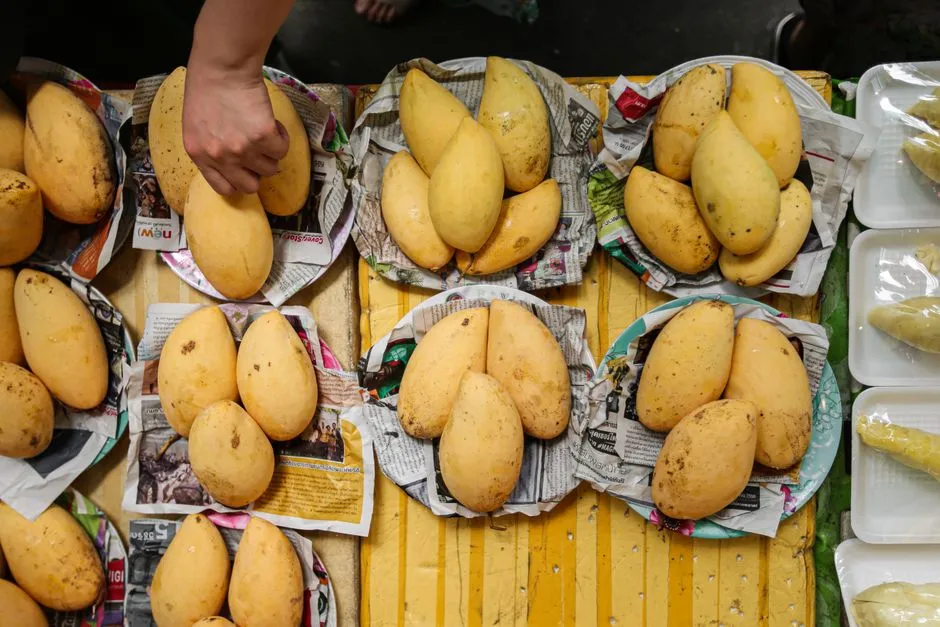
Mangoes also require fruit-specific cues rather than one universal color rule. Use our guide to choosing a ripe mango to start with mature fruit, then follow its aroma and gentle firmness rather than assuming every green mango needs the same number of days.
Which fruit will not become sweeter after harvest?
Counter time cannot add harvest maturity to:
- strawberries, raspberries, blackberries, and blueberries;
- cherries;
- grapes;
- watermelon;
- pineapple.
Buy these for the quality present at the store. Holding them at room temperature can warm them, increase aroma, soften tissue, or move them toward decay, but it is not a sweetness plan. A paper bag with a banana does not turn a pale strawberry, sour grape, immature watermelon, or poorly harvested pineapple into better fruit.
Pineapple is a useful example. A peer-reviewed pineapple metabolite study classifies it as non-climacteric and states that ripening stage at harvest is important because the fruit does not continue ripening after harvest. Its shell can lose green color without the corresponding internal improvement a shopper hopes for.
Refrigerate perishable berries and cut fruit rather than leaving them out to “ripen.” If a non-climacteric fruit lacks flavor but remains sound, use it in a preparation that suits its present character; do not promise that storage will manufacture sweetness.
Why does harvest maturity still matter for fruit that can ripen later?
“Climacteric” does not mean “can be harvested at any point.” Fruit must reach physiological maturity on the plant before it has the internal capacity to complete useful ripening after picking.
The University of Georgia's 2024 postharvest peach bulletin says melting-flesh peaches can continue ripening after harvest when picked physiologically mature. It also identifies a cultivar exception: certain nonmelting-flesh peaches do not ripen significantly after harvest. The same bulletin warns that picking too early can produce poor sweetness, juiciness, and taste.
This is why a mature-firm peach is different from a hard green peach. The first has the background color and development needed to soften well; the second may shrivel or remain disappointing. Similar logic applies across the counter-ripening group: begin with sound, mature fruit, not merely hard fruit.
Are all melons handled the same way?
No. “Melon” covers different species, groups, and cultivars. Watermelon does not become sweeter after harvest. University of Georgia Extension's cantaloupe and specialty melon guide says cantaloupes ripen after harvest but do not increase in sugar content.
For an unlabeled melon, do not assume a paper bag will make it sweeter. Read the label, ask the grower or produce seller what type it is, and use guidance for that specific melon. “Softer” and “sweeter” must remain separate claims.
What is the basic counter-ripening workflow?
Use one repeatable sequence:
- Inspect first. Set aside fruit with mold, leaks, broken skin, or a collapsed wet patch. Ripening will not repair damage.
- Identify the fruit. Confirm that the type has a postharvest ripening path. If variety matters, read its label or fruit-specific guide.
- Set a use goal. Decide whether you want it ready today, tomorrow, or later. Keep fruit at different stages separate enough to monitor.
- Use room temperature. Place suitable fruit on a counter away from direct sunlight and strong heat. Give it space instead of piling soft fruit beneath heavy pieces.
- Check daily. Look for the fruit-specific combination of color, aroma, and gentle firmness. Turn pieces carefully to inspect the underside.
- Move each piece individually. When one reaches the intended ripeness, use it or refrigerate it. Do not wait for the whole batch.
- Remove deterioration. Discard rotten fruit and separate any leaking or moldy piece promptly.
There is no honest universal schedule. Starting maturity, cultivar, fruit temperature, room conditions, damage, and desired texture all change the pace. Daily observation is more reliable than writing a future date on the bag and ignoring it.
When should you use a paper bag?
Use a bag only for mature fruit that can continue ripening and only when you want the process to move faster. Oregon State University Extension recommends a brown paper bag at room temperature, away from direct sunlight; it explains that ethylene held around the fruit speeds ripening compared with an open counter.
Follow this method:
- Put one type of sound, mature fruit in a clean brown paper bag.
- Fold the top loosely rather than sealing fruit in an airtight container.
- Keep the bag at room temperature and out of direct sun.
- Open and inspect it every day for aroma, color, gentle give, leaks, and mold.
- Remove ripe pieces immediately and refrigerate or use them.
The OSU guide says adding an apple or banana can speed the process further. That is optional, not a cure for immature fruit. Faster also means a shorter window between ready and overripe, so an added ethylene-producing fruit requires more attentive checking.
Do not bag berries, cherries, grapes, watermelon, or pineapple to make them sweeter. The bag changes exposure to ethylene and humidity; it does not change which biological ripening path the fruit has.
How do you check ripeness without bruising fruit?
Use the least destructive cue first:
- Color: read background color for the variety, not a universal red or yellow target.
- Aroma: smell near the stem end without pressing fruit against your face.
- Weight: compare like-sized fruit when weight is a recognized cue.
- Firmness: use one broad, gentle palm or finger-pad check, never repeated thumb digging.
- Condition: inspect every side for splits, leaks, isolated softness, and mold.
The correct cue changes by fruit. A pear is commonly checked near the neck; a peach is cradled and tested with gentle palm pressure; avocado color depends on variety; pineapple color cannot prove internal improvement. One magic squeeze is not a fruit-ripening system.
When should ripe fruit move to the refrigerator?
Move fruit that benefits from counter ripening when it reaches the eating stage you want. Refrigeration slows ongoing biological activity; it does not reverse over-ripeness, remove bruising, or improve fruit picked too immature.
Use fruit-specific guidance because cold sensitivity and useful holding time vary. Do not apply one refrigerator schedule to bananas, avocados, peaches, pears, and tomatoes. If the label or Extension guidance for a fruit gives a storage range, follow it.
Cut, peeled, or packaged fruit is a separate safety case. It belongs in the refrigerator rather than in the counter-ripening experiment.
How do you keep the workflow food-safe?
The FDA recommends selecting produce without bruising or damage, separating it from raw meat, poultry, and seafood, and refrigerating produce purchased pre-cut or packaged. Keep ripening fruit on a clean, dry surface away from raw-animal-food preparation.
Generally store whole fruit unwashed while it ripens, as the OSU guide recommends, unless dirt requires rinsing and thorough drying. Before preparing or eating fruit, wash your hands with soap and warm water for at least 20 seconds. Rinse the fruit under plain running water, rub it gently, and dry it with a clean cloth or paper towel. Wash firm rinds before cutting even when the rind will be discarded.
Do not use soap, detergent, or commercial produce wash on fruit. Use clean knives, boards, and containers. Cut away damaged or bruised areas and discard produce that looks rotten. Refrigerate cut fruit promptly in a clean, covered container; FDA guidance uses 40°F (4°C) or below for perishable produce.
Sources
- University of Georgia Extension: Is It Ripe?
- University of Georgia CAES Field Report: Peaches — Appropriate Harvest and Postharvest Handling
- Oregon State University Extension: Storing Food for Safety and Quality
- University of Georgia Extension: Cantaloupe and Specialty Melons
- Metabolites: GC-MS Based Metabolite Profiling to Monitor Ripening-Specific Metabolites in Pineapple
- U.S. Food and Drug Administration: Selecting and Serving Produce Safely