How to Freeze Fresh Fruit for Its Next Use
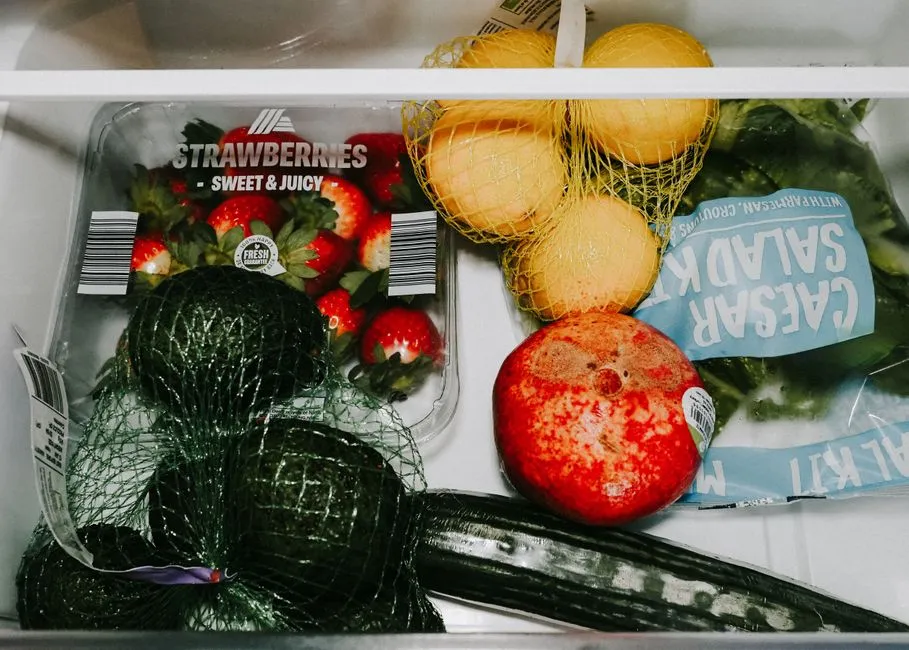
- What is the reliable way to freeze fresh fruit?
- Which fruit is worth freezing?
- How do you choose the pack by its next use?
- How should fruit be prepared safely before freezing?
- How does a tray pack keep pieces separate?
- What is the difference between a dry pack and an unsweetened bulk pack?
- When does a sugar pack make sense?
- When should fruit be packed in syrup or juice?
- How should puree and fruit juice be frozen?
- How much headspace does frozen fruit need?
- How should packages be frozen and labeled?
- How should frozen fruit be thawed and used?
- Sources
What is the reliable way to freeze fresh fruit?
Choose sound fruit at the condition you would want for its next use, decide whether you need separate pieces, a recipe-sized block, puree, or juice, then prepare it accordingly. Wash under running water, drain and dry as the method requires, use a tested fruit-specific pretreatment when needed, pack in freezer-safe containers with the correct headspace, label the fruit and pack method, and freeze promptly at 0°F (-18°C) or below.
Freezing is not one universal recipe. A tray of dry grapes, a container of peach slices in syrup, and a cube tray of mango puree solve different kitchen problems. Choose the eventual dish before choosing the pack.
Which fruit is worth freezing?
Start with sound fruit at an appropriate eating stage. Freezing preserves the condition you put into the package; it does not make underripe fruit sweeter or reverse decay. University of Minnesota Extension advises freezing fresh fruit at peak ripeness and using safe handling before freezing.
Sort each batch before washing. Discard rotten or moldy fruit. Cut away a limited bruised area when the remaining fruit is sound, but do not make a long-storage package from pieces that are leaking, fermented, or extensively collapsed. Use very soft but sound fruit for puree when its flavor is still good; reserve firm, evenly ripe pieces for a tray or slice pack.
Expect texture to change. Water inside plant cells expands into ice crystals, and thawed fruit is usually softer than the fresh version. Utah State University Extension makes that limit explicit. Plan frozen fruit for smoothies, sauces, baking, compotes, toppings, desserts, or eating partly frozen rather than promising a fresh-fruit bite after a full thaw.
How do you choose the pack by its next use?
Match the pack to how much fruit you want to remove and how the recipe will use it.
| Next use | Useful pack | What comes out of the freezer |
|---|---|---|
| A handful for a smoothie, snack, or topping | Tray pack, then freezer bag | Separate pieces |
| A measured amount for baking or cooking | Dry or unsweetened bulk pack | One recipe-sized portion |
| Soft sliced fruit for a dessert | Sugar pack | Fruit and drawn juice in one block |
| Fruit to serve with its packing liquid | Syrup or juice pack | Fruit covered by liquid |
| Sauce, smoothie base, or recipe puree | Puree pack | A block or measured cubes |
| A drink, sauce, or recipe needing juice | Juice pack | Labeled liquid portion |
Sugar and syrup are optional for safety in frozen fruit; they are quality and use choices. Minnesota Extension says fruit intended for desserts is often packed in sugar or syrup, while fruit intended for cooking is commonly packed unsweetened. Follow a tested fruit-specific method instead of moving one syrup strength or pretreatment across every fruit.
How should fruit be prepared safely before freezing?
Wash hands with soap and warm water for at least 20 seconds. Clean the knife, board, colander, tray, blender, and containers. Keep produce and its tools separate from raw meat, poultry, seafood, and their juices.
The US Food and Drug Administration says to wash produce thoroughly under running water, including fruit whose peel will be removed. Do not use soap, detergent, or commercial produce wash. Dry with a clean cloth or paper towel.
Prepare fruit as it will be used: stem berries and grapes where the tested directions require it; pit cherries, peaches, nectarines, and plums; core apples and pears; peel fruit when the specific method calls for peeling. Cut pieces to a consistent recipe-ready size so they freeze at a similar rate.
Some light-colored fruit needs an anti-darkening treatment for quality. Ascorbic acid, an ascorbic-acid mixture, citric acid, or another method may be specified, but the correct amount and method vary by fruit and pack. Follow current Extension or National Center for Home Food Preservation directions for that exact fruit. Do not improvise a concentration from a different recipe.
How does a tray pack keep pieces separate?
Arrange washed, prepared, well-drained fruit in one layer on a clean shallow tray. Keep pieces from touching where practical. Freeze until solid, then move them quickly into a freezer-safe bag or container, remove excess air, seal, label, and return to the freezer.
Tray freezing is useful for berries, whole seedless grapes, cherries, small pineapple pieces, and other firm pieces that you want to remove individually. It is not a drying method and it does not make fruit shelf-stable. The tray is an intermediate step; uncovered fruit needs final moisture- and vapor-resistant packaging once solid.
Keep the tray stable and level. Do not stack an uncovered tray where raw food can drip onto it. Once the pieces are packed, flatten a bag into a practical layer rather than forcing delicate fruit into a tight lump.
For berry-specific sorting and refrigerator handling before freezing, see our guide to storing berries.
What is the difference between a dry pack and an unsweetened bulk pack?
A dry pack contains prepared fruit without added sugar or liquid. Drain and dry washed fruit thoroughly, put a recipe-sized amount into a freezer bag or container, remove excess air, and seal. Minnesota Extension identifies whole berries and rhubarb as examples suited to a dry pack.
An unsweetened bulk pack also avoids sugar and syrup, but pieces may freeze together into a block. That is useful when the whole container is destined for one pie, pot of sauce, or batch of muffins. Package the amount the recipe needs so there is no need to thaw a large block to remove one cup.
Utah State lists fruit-specific unsweetened options, including kiwi slices, pineapple pieces, dry-packed halved grapes, and dry-packed melon pieces. These examples do not mean every fruit needs identical preparation. Grapes may need stemming or seed removal, pineapple needs peel, eyes, and core removed, and melon must be sound and ripe before cutting.
When does a sugar pack make sense?
Use a sugar pack for soft or sliced fruit when the future recipe can accept added sugar and the juice drawn from the fruit. Minnesota Extension directs readers to add granulated sugar to washed, prepared fruit, mix gently until it dissolves in the fruit's juice, and let the fruit stand for 15 minutes before freezing.
Do not guess the sugar amount. Use the tested direction for the fruit you have. Label the package “sugar pack” and record the added amount when a future recipe needs accurate sweetness. A sugar-packed peach should not arrive in a pie recipe disguised as unsweetened fruit.
Pack the fruit and juice together in a rigid freezer-safe container, leaving headspace for expansion. Freeze in the portion the eventual recipe will use.
When should fruit be packed in syrup or juice?
Choose a syrup pack when the fruit will be served in liquid or used in a dessert where the liquid belongs. Prepare the exact syrup specified by a tested fruit recipe and chill it before pouring it over prepared fruit. Different fruits call for different syrup strengths; a single universal percentage is not accurate.
Utah State, for example, lists 40% syrup for grapes, 30% syrup as an option for pineapple and melon, and fruit-specific methods for peaches, pears, and plums. That is a map of choices, not permission to substitute methods without reading the full entry.
An unsweetened fruit-juice pack can be useful where the flavor fits. Minnesota Extension lists 100% apple, white grape, pineapple, or orange juice as examples. Label the juice used so the future cook knows what is in the container.
Use a rigid freezer-safe container for a liquid pack. Cover the fruit with the tested amount of chilled syrup or juice and leave the correct headspace. Do not fill a jar to the rim; liquid expands as it freezes.
How should puree and fruit juice be frozen?
Puree sound prepared fruit with a clean blender, food processor, masher, or food mill. Pack it in recipe-sized freezer containers or freeze measured portions in an ice cube tray, then transfer solid cubes to a labeled freezer bag. Leave room for expansion in the initial container or tray.
Puree is a practical route for fruit too soft for attractive slices but still sound and pleasant. Minnesota Extension gives applesauce, smoothie fruit, and recipe puree as examples. Utah State specifies mashed rather than sliced avocado and allows crushed melon pulp except watermelon in its melon method, illustrating why the fruit-specific page matters.
For juice, extract with clean equipment and follow a tested direction for the fruit. Freeze in portions the next recipe or drink will use. Do not rely on a beverage glass or ordinary thin jar: choose a container explicitly suitable for freezing and leave juice headspace.
How much headspace does frozen fruit need?
The National Center for Home Food Preservation publishes exact headspace by pack, container opening, and size:
| Pack | Wide-top pint | Wide-top quart | Narrow-top pint | Narrow-top quart |
|---|---|---|---|---|
| Liquid pack | 1/2 inch | 1 inch | 3/4 inch | 1 1/2 inches |
| Dry pack | 1/2 inch | 1/2 inch | 1/2 inch | 1/2 inch |
| Juice | 1/2 inch | 1 inch | 1 1/2 inches | 1 1/2 inches |
Liquid pack includes fruit packed in juice, sugar, syrup, or water, as well as crushed or pureed fruit. Use wide-mouth straight-sided glass only when the manufacturer identifies it as suitable for freezing. A repurposed thin jar can crack.
Freezer bags suit dry and tray-packed fruit. Rigid freezer-safe plastic or glass containers suit puree, syrup, sugar, and juice packs. Remove excess air without crushing the fruit, then seal completely.
How should packages be frozen and labeled?
Freeze at 0°F (-18°C) or below. Minnesota Extension recommends packages no larger than one-half gallon so they freeze quickly, with cold air space around each package until it is solid. Do not overload the freezer with more unfrozen food than its manual allows.
Write the following on every package:
- fruit and variety, if it matters;
- form, such as whole, sliced, diced, puree, or juice;
- pack method: tray, dry, unsweetened, sugar, syrup, or juice;
- added sugar, syrup strength, juice, or pretreatment;
- quantity or recipe-sized portion;
- freezing date; and
- intended use, such as “one crumble” or “two smoothies.”
Freeze packages in a single layer with space around them, then stack them after they are solid. Minnesota Extension gives eight to twelve months at 0°F or below as a best-quality range for frozen fruit. That range is about quality, not a guarantee that poor packaging, temperature swings, or damaged starting fruit will hold up.
How should frozen fruit be thawed and used?
Thaw fruit in the refrigerator in a container that catches leaks. For a faster path, Minnesota Extension permits cold-water thawing in a leak-proof package when it can be completed in less than four hours, with immediate use after thawing. A microwave is appropriate only when the food will be cooked immediately.
Do not thaw fruit on the counter. Freezing stops bacterial growth at freezer temperatures but does not kill bacteria already present; growth can resume as fruit warms. This is why washing, clean preparation, prompt freezing, and safe thawing all remain part of the workflow.
Use thawed fruit according to its texture. Drain only when the recipe expects less liquid; otherwise the released juice may contain flavor the dish needs. Keep thawed fruit refrigerated and use it promptly under the selected authoritative thawing guidance.
Sources
- University of Minnesota Extension — How to Freeze Fruit Safely
- University of Minnesota Extension — Preserving Food at Home: Freezing
- National Center for Home Food Preservation — Headspace to Allow
- Utah State University Extension — Fruit Freezing Methods
- US Food and Drug Administration — Selecting and Serving Produce Safely