How to Store Berries So They Last Longer
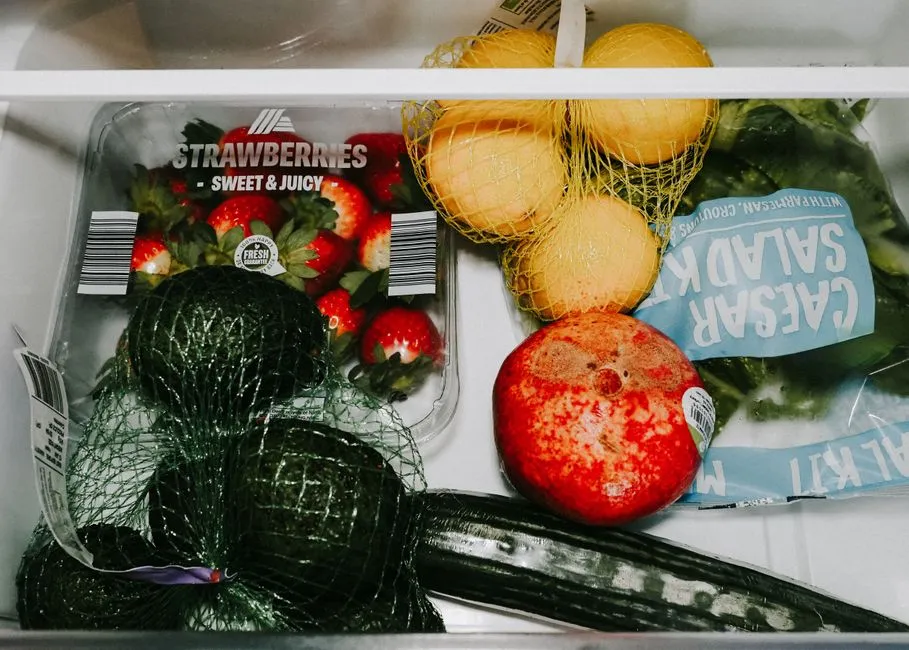
Buy yourself a better starting point
Berry storage begins before the refrigerator door closes, and the fruit you carry home sets the ceiling on how long it lasts. Choose packages without leaking juice, crushed layers, or visible mold. Turn a clear container over gently enough to inspect the bottom, where damage shows first, and skip any package with a wet, stained, or sagging base.
For strawberries, look for firm fruit with fresh green caps and even color right up to the shoulders. Dull, shrunken, or bruised berries are already declining, and strawberries do not ripen further after picking, so buy the ones you would happily eat today. Raspberries and blackberries should look plump and dry rather than glossy with released juice. Buy only what you will finish in the next few days.
At home, refrigerate the berries promptly rather than leaving them on the counter, ideally within two hours and sooner on a hot day or after a warm car ride. Keep the refrigerator at 40 °F (4 °C) or below. Do not leave the package buried under heavy groceries, and do not assume the original pack is clean simply because it has a cheerful farm illustration.
Sort before storing
Open the container and look through the fruit. Remove leaves, leaking berries, and any fruit with visible mold. Discard moldy berries rather than trimming them for eating. Check berries that touched them and remove any that are soft or damaged.
Handle raspberries and blackberries especially gently; they are clusters of soft drupelets that crush easily, and raspberries are hollow once picked, so they collapse under almost no weight. Strawberries tolerate a little more handling, but their caps and shoulders still hide moisture and damage. This quick inspection is the highest-value two minutes in the process.
Keep the berries dry
Unless you plan to eat them immediately, store berries unwashed. Extra surface moisture encourages faster deterioration. Washing also makes delicate berries easier to bruise while they are wet.
Line a clean, shallow container with a dry paper towel or clean absorbent cloth, arrange the berries loosely in one or two layers rather than a deep pile, and replace the lining whenever it turns damp. Use a lid or cover that allows some ventilation, or retain the vents in the original package. The aim is protection without trapping condensation. A tiny housekeeping task now beats conducting a memorial service for six raspberries tomorrow. More routines live in Fruit Storage.
Choose a steady refrigerator spot
Store the container in a cold, stable part of the refrigerator where it will not freeze or be crushed. Avoid a door shelf if it causes frequent warming or jostling. Keep berries separated from raw meat, poultry, seafood, and their juices, and shelve them above those items so nothing can drip down onto the fruit.
Storage time is not a promise. Strawberries usually hold about three to seven days, raspberries and blackberries often only two or three. Very ripe, rain-wet, or bruised fruit may decline faster even under good conditions. Inspect berries daily and use the softest sound ones first. If a package repeatedly gathers condensation, improve ventilation and dry the container.
Wash only what you will eat
Place the portion you need in a colander and rinse it gently under clean running water. Skip soap, detergent, and bleach, which are not meant for produce. Avoid soaking delicate fruit unless a specific recipe calls for it. Drain and pat carefully with a clean towel. Remove strawberry caps after washing so water is less likely to enter the cut surface.
Use washed berries promptly, and work with clean hands and clean utensils. Return the unwashed remainder to the refrigerator right away rather than letting it warm on the counter. For a fruit worth picking carefully in the first place, see how to choose a ripe mango.
Know when to let go
Discard berries with visible mold, a rotten or fermented odor, slimy surfaces, or extensive collapse. A little softness is a quality issue; slime, mold, and off odors are spoilage signals. Do not taste a questionable berry to settle the argument; a taste cannot tell you whether it is safe, and by then you have eaten it.
Freezing is a useful rescue for sound fruit you cannot eat in time. Wash it, dry it thoroughly, remove strawberry caps, and freeze pieces in a single layer at 0 °F (-18 °C) or below before transferring them to a freezer container. The thawed texture will be softer, which is fine for sauces, baking, and smoothies. It is not a failure; it is a career change.